
Why Can’t I Get Myself to Do Things? Understanding Adult ADHD
By Heather Cronemiller
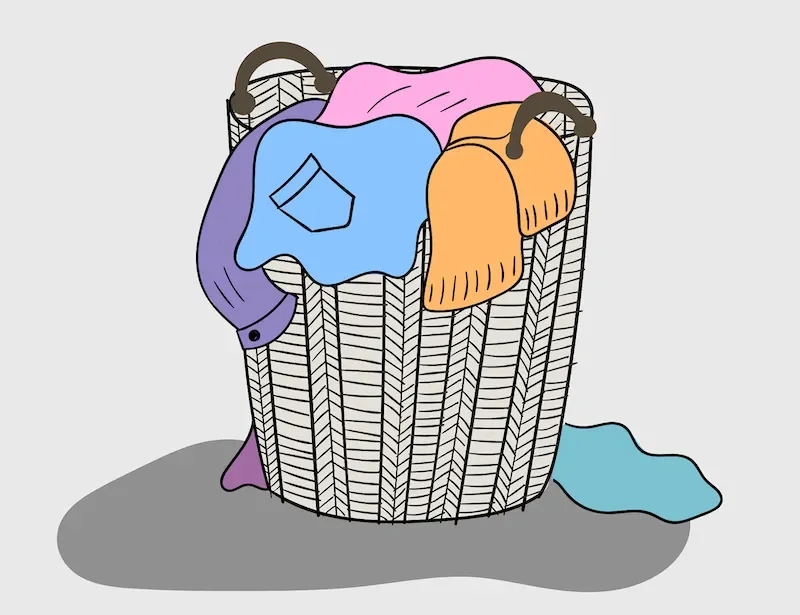
There's a basket of laundry on the floor. It's been there for three days. You walk past it, think I really need to fold that, and then...nothing happens. You sit down, scroll on your phone, and then tell yourself you're lazy, undisciplined, maybe even a little broken.
Sound familiar?
What's actually going on has nothing to do with laziness. Let's dig a little deeper into what's really happening.
Your Brain Is Running on Empty
For adults with ADHD, the inability to start a task isn't a character flaw. It's a neurological one. ADHD affects how your brain produces and uses dopamine, the chemical that acts as a kind of motivational fuel. In a brain without ADHD, a steady drip of dopamine helps carry you over the friction of a boring task. It's what bridges the gap between knowing what needs to be done and actually doing it.
In an ADHD brain, that bridge doesn't reliably form. So when you sit there, silently screaming at yourself to just get up and do the thing, it's not that you won't. On a neurological level, your brain genuinely struggles to get the engine started.
This also explains something that can feel deeply confusing: you can spend nine hours hyperfocused on something new and interesting, but can't make yourself send a two-minute email. That's your nervous system working the only way it knows how, chasing the stimulation it needs to function.
The Wall You Keep Running Into
When task initiation fails repeatedly, something else starts to build up: shame. Each time you don't do the thing you meant to do, it adds weight to an invisible barrier. Eventually, the undone laundry isn't just laundry anymore. It's evidence. Evidence that you can't follow through, can't keep up, can't get it together.
That wall is real, even if no one else can see it. And trying to climb it through sheer willpower while also managing the guilt of everything piling up is exhausting.
There's also what's sometimes called executive dysfunction, which is the brain's struggle to break a big task into manageable steps. "Clean the kitchen" sounds simple. But for an ADHD brain, it can instantly become an avalanche of micro-decisions happening all at once, and the overwhelm causes the brain to freeze before anything gets done.
What Actually Helps
The shift that tends to make the biggest difference isn't trying harder. It's working with your brain instead of against it.
Because your internal starter motor needs support, you can look for external sources of momentum. Sitting near another person, even on a video call with a friend who's also working, provides enough gentle stimulation to get going. Pairing a tedious task with something you actually enjoy, like a favorite playlist or podcast, can make the dopamine bridge a little easier to cross.
Lowering the barrier to entry also matters more than most people realize. If folding clothes and putting them away is the obstacle, maybe open bins work better than a dresser. If flossing at night never happens, try doing it at 2pm. These might seem like "laziness hacks," but they're really just adaptations that honor how your brain actually works.
You Don't Have to Keep White-Knuckling It
If you've spent years pushing through, compensating, and quietly wondering what's wrong with you, ADHD therapy can help. At Oak Haven Counseling, we work with adults who are tired of the cycle of trying hard, falling short, and dealing with self-blame. We help you build real, practical strategies that fit your brain.
You're not lazy. You're not broken. And you don't have to figure this out on your own.
Reach out to us today to schedule a free 15-minute consultation.